
 How Regular Indoor Play Improves Confidence in Kids
Indoor play is much more than just a way to keep children busy — it’s a powerful tool for building confidence. When kids explore, experiment, and play freely in a safe indoor environment, they naturally develop the self-belief they need to thrive.
 Encourages Safe Risk-Taking
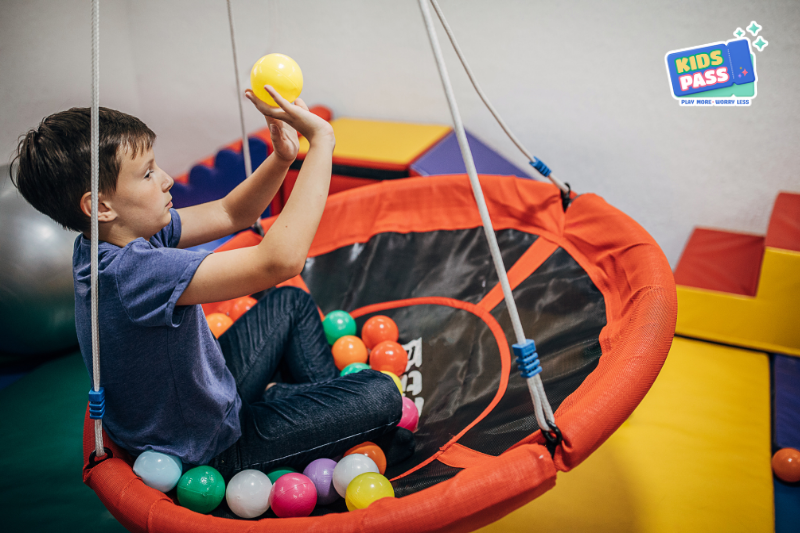
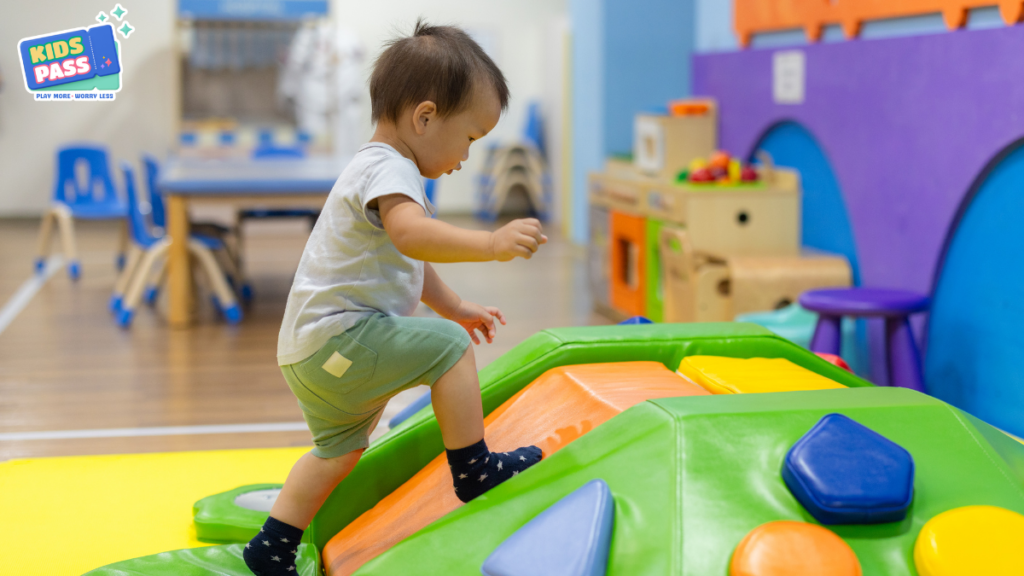
Indoor play areas provide a controlled space where kids can try new things without fear. Whether climbing a small play structure, trying a tricky puzzle, or experimenting with art supplies, these small moments of success build real confidence.
 Strengthens Problem-Solving Skills
Activities like blocks, board games, pretend play, and STEM toys challenge kids to think creatively. When they solve a problem on their own — even something simple — they feel proud and capable. These daily “wins” add up and boost self-esteem.
 Supports Self-Expression
Indoor play encourages kids to express themselves freely. They can act out stories, make art, build worlds, or simply explore textures and colors. This freedom helps children understand their own preferences, strengths, and ideas — essential for confidence development.
 Builds Social Confidence
Playing indoors with siblings or friends teaches cooperation, sharing, and communication. As kids successfully navigate social situations, they gain confidence in interacting with others and forming friendships.
 Celebrates Small Achievements
Indoor play is full of milestones: stacking a taller tower, finishing a puzzle, learning a new dance move. Each accomplishment — big or small — boosts a child’s belief in their abilities.