How to Reduce Overstimulation in Children: How Indoor Parks Can Help
Kidspass Family Blog
Overstimulation is becoming more common among children today, especially with busy routines, technology overload, and environments full of noise and distractions. When kids receive more sensory input than they can handle, they may feel overwhelmed, anxious, or emotionally drained. Learning how to reduce overstimulation is essential—and indoor parks can play an unexpected but powerful role in helping children reset and regulate.
What Is Overstimulation?
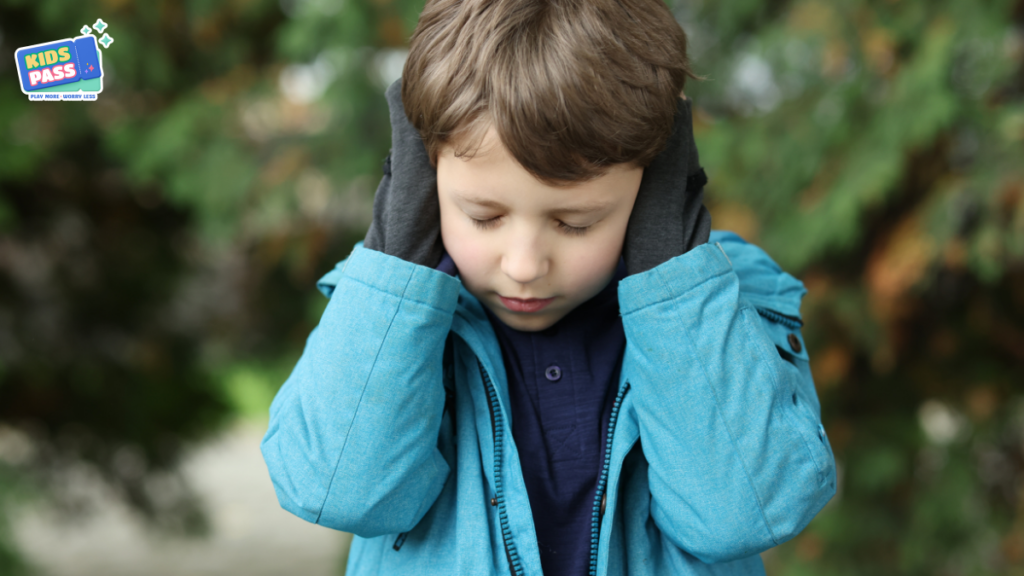
Overstimulation happens when a child’s senses receive too much information at once. Loud sounds, bright lights, fast movement, crowds, or emotional pressure can all overload a child’s nervous system. This can lead to irritability, tears, hyperactivity, or the need to withdraw.
Parents don’t need to eliminate stimulation completely. Children simply need balanced spaces where they can explore comfortably and safely.
How Indoor Parks Help Reduce Overstimulation
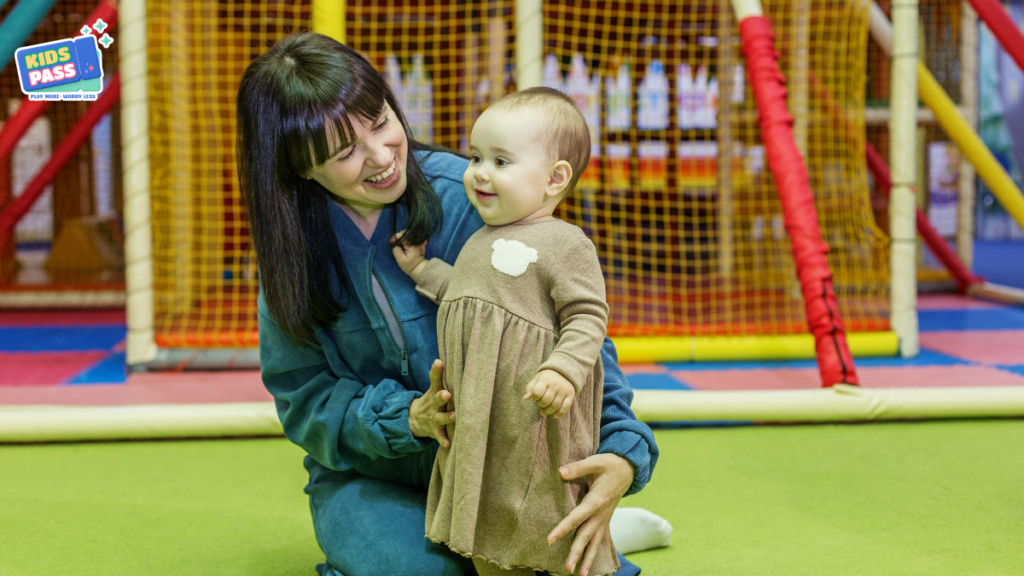
Indoor playgrounds might seem lively, but many offer features that support emotional regulation and balanced sensory experiences.
- Controlled Environments
Unlike outdoor spaces, indoor parks provide consistent lighting, safe temperatures, and predictable layouts. This stability helps kids feel grounded and reduces sudden sensory surprises.
- Soft-Play and Calm Zones
Most indoor parks include soft areas designed for younger or more sensitive children. These spaces offer slower-paced activities, gentle textures, and fewer distractions perfect for kids who need a moment to decompress.
- Sensory-Friendly Activities
Ball pits, tactile walls, foam blocks, and soft climbing elements give children sensory input that is soothing rather than overwhelming. Sensory play can help regulate the nervous system and improve focus.
- Safe Ways to Release Energy
Sometimes overstimulation is actually a sign of underregulated energy. Running, climbing, and jumping help children release tension and improve mood. Indoor parks offer safe structures where kids can move freely without danger.
Tips for Parents to make indoor play even more beneficial:
- Visit during quieter times.
- Allow breaks between activities.
- Let children lead the pace of play.
- Bring comfort items if needed.
- Watch for early signs of overload.
Conclusion
Indoor parks provide a supportive balance of movement, sensory exploration, and calm spaces, making them ideal environments for children who struggle with overstimulation. With the right approach, families can enjoy fun, active play while helping kids stay regulated, confident, and emotionally grounded.
Remember that with Kidspass, you can access multiple indoor parks with just one pass, making it easier to choose environments that support your child’s emotional balance. Many of the indoor parks available through Kidspass offer soft play areas, sensory-friendly spaces, and calm zones that help children regulate and recharge. Exploring different parks allows you to find the perfect space where your child can play, reset, and feel comfortable at their own pace. With Kidspass, play more, worry less.